
Editorial services
The European Newsroom (enr) is a collaborative initiative between leading European news agencies, operating from the EU quarter in Brussels since 2022.
The European Union is shaping decisions that affect EU citizens every day: trade rules, energy prices, migration law, digital regulation, AI governance. Yet comprehensive, independent coverage on the ground in Brussels remains out of reach for many news organisations working with limited resources.
As a service provider for its member agencies, the enr facilitates access to the full EU news infrastructure – from joint interviews with top decision-makers and background briefings with stakeholders to editorial trainings and workshops designed to optimise agencies’ proficiency in covering European affairs in line with their own unique editorial needs and standards.
The enr’s services for its members at a glance:
- Joint interviews and briefings: The enr coordinates exclusive joint interviews and background briefings with EU decision-makers, senior officials and key stakeholders. For smaller newsrooms, this unlocks access that would otherwise be out of bounds to arrange independently.
- Audiovisual content: After every enr-organised interview or briefing, audiovisual assets such as video footage, audio files and production-ready
material are shared among the agencies to be reused across the network’s news services and platforms. No dedicated AV team in Brussels required. - On-demand editorial support: Correspondents and headquarters have a practical point of contact and can count on on-the-ground editorial support in
Brussels – from access to key sources and attending press conferences to setting up a temporary or permanent workspace and general logistical help.

Curbs on rent rises and holiday lets can offer faster relief for tenants, says EU housing chair
Limits on rent increases and restrictions on holiday rentals can provide quicker relief for households struggling with housing costs, MEP Irene Tinagli said, while warning that lasting solutions require investment in affordable homes.
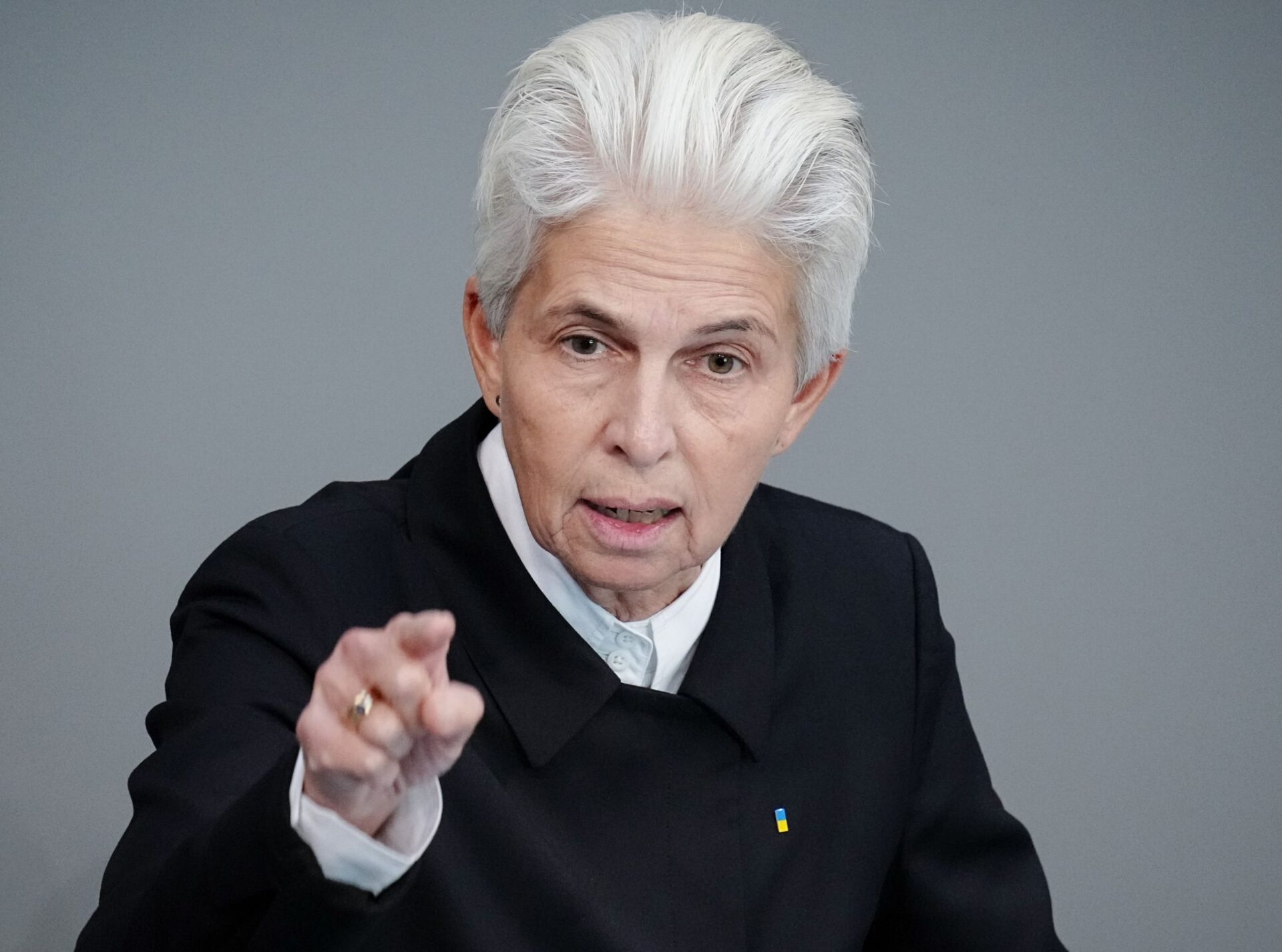
EU Parliament’s defence chair urges ‘no compromises on security funding
Europe must protect proposed security funding and speed up joint arms purchases, the European Parliament’s defence committee chair Strack-Zimmermann said, as she called for continued support for Ukraine.
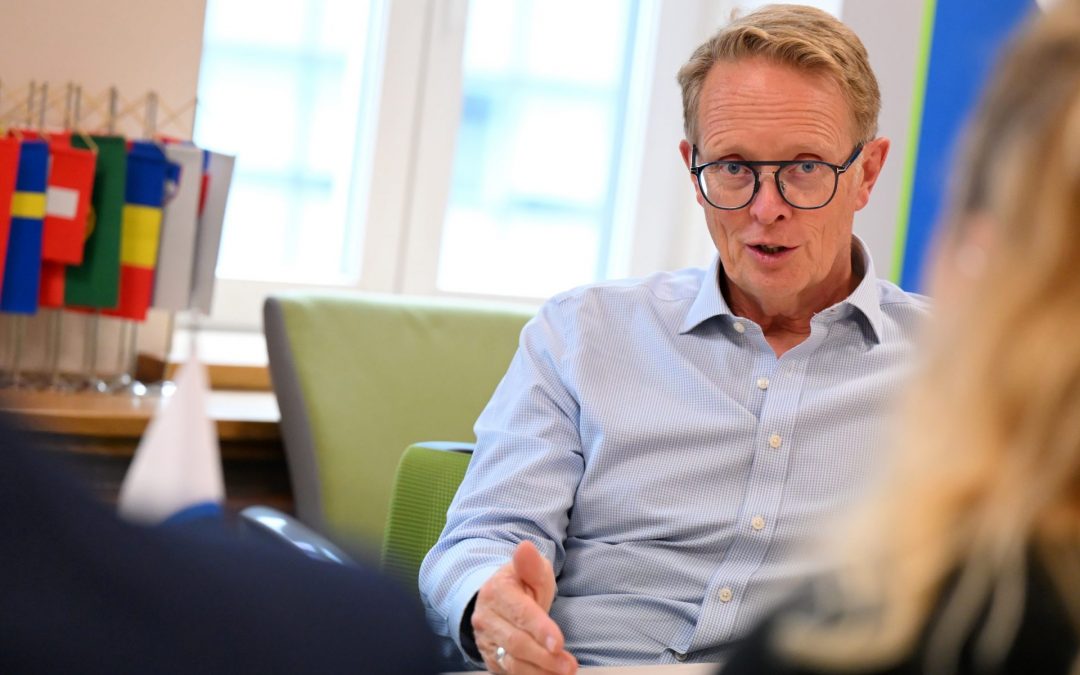
Frontex chief calls for better EU border intelligence after Ceuta crisis
The European Commission wants Frontex to be able to deploy a rapid-response team within 24 hours. But agency chief Hans Leijtens draws a line at command: national governments must remain responsible. After Ceuta, the question is whether Europe can spot the next crisis early enough – and turn warnings into action.
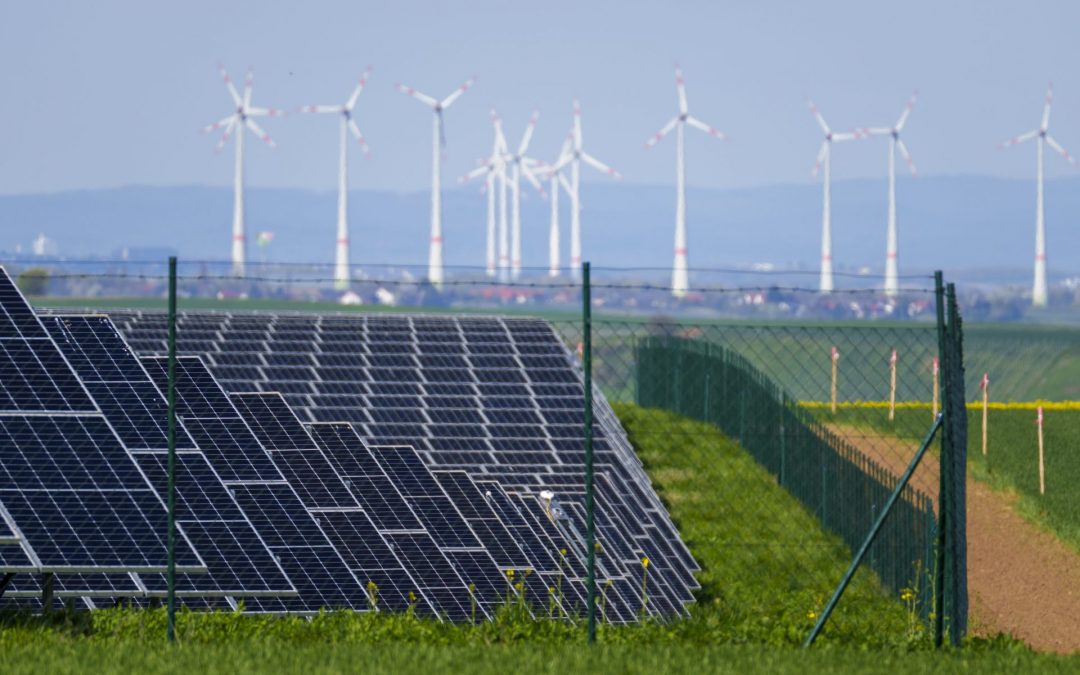
Renewables key to cutting fossil fuel use and stabilising energy prices, European Environment Agency says
Energy prices remain a major concern for European citizens, with households and businesses exposed to the increasing volatility of global energy markets. The European Environment Agency sees a clear long-term solution: accelerating the shift to renewable energy.