
 go to the original language article
Brussels (ANSA) – Agreement in the trilogue between the EU Council and the European Parliament on the regulation to gradually phase out imports of Russian natural gas. The regulation introduces a gradual and legally binding ban on imports of liquefied natural gas (LNG) and gas via pipelines from Russia.
The ban will take effect six weeks after the regulation enters into force, with a gradual approach for existing contracts. Specifically, short-term supply contracts concluded before 17 June 2025 must be terminated by 25 April 2026 for LNG and from 17 June 2026 for pipeline gas.
For long-term LNG contracts, the ban will apply from 1 January 2027, aligning with the regime imposed by the 19th package of sanctions against Moscow. The halt will take effect from 30 September 2027 for long-term contracts provided that storage filling targets are met and at the latest by 1 November 2027.
“Today is a historic day for the European Union,” said the president of the European Commission, Ursula von der Leyen. “Many thought it would not be possible, yet today it happened. I always knew we could do it. Now we are ready to open collaborations with new reliable partners,” she added.
Hungary has announced that it intends to challenge the EU plan to ban imports of Russian gas into the EU. “As soon as the RePowerEU plan is formally adopted, we will immediately challenge it before the Court of Justice of the EU. The legal proceedings will begin without delay. Preparatory work is already underway,” wrote Hungarian Foreign Minister Péter Szijjártó on X. “We will do whatever is necessary,” he stressed, “to defend Hungary’s energy security.”
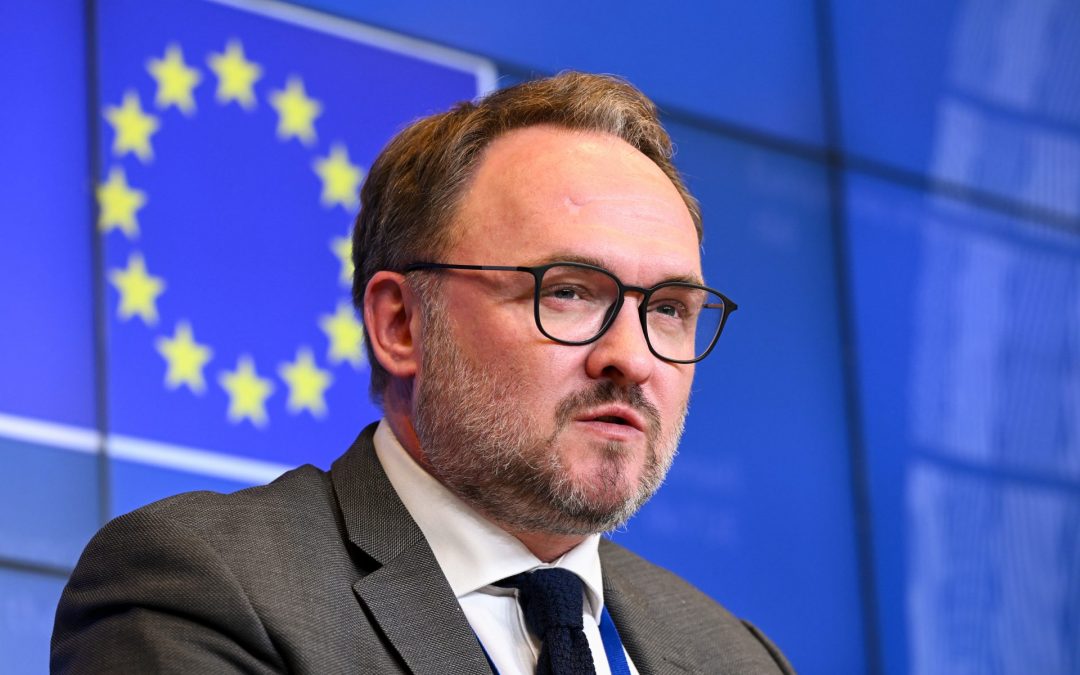
The agreement will have to be ratified by the 27 and by the Plenary. “Finally, and forever, we are turning off the tap of Russian gas. We will never again return to our dangerous dependence on Russia,” stressed Commissioner Dan Jorgensen (3 December).