
 go to the original language article
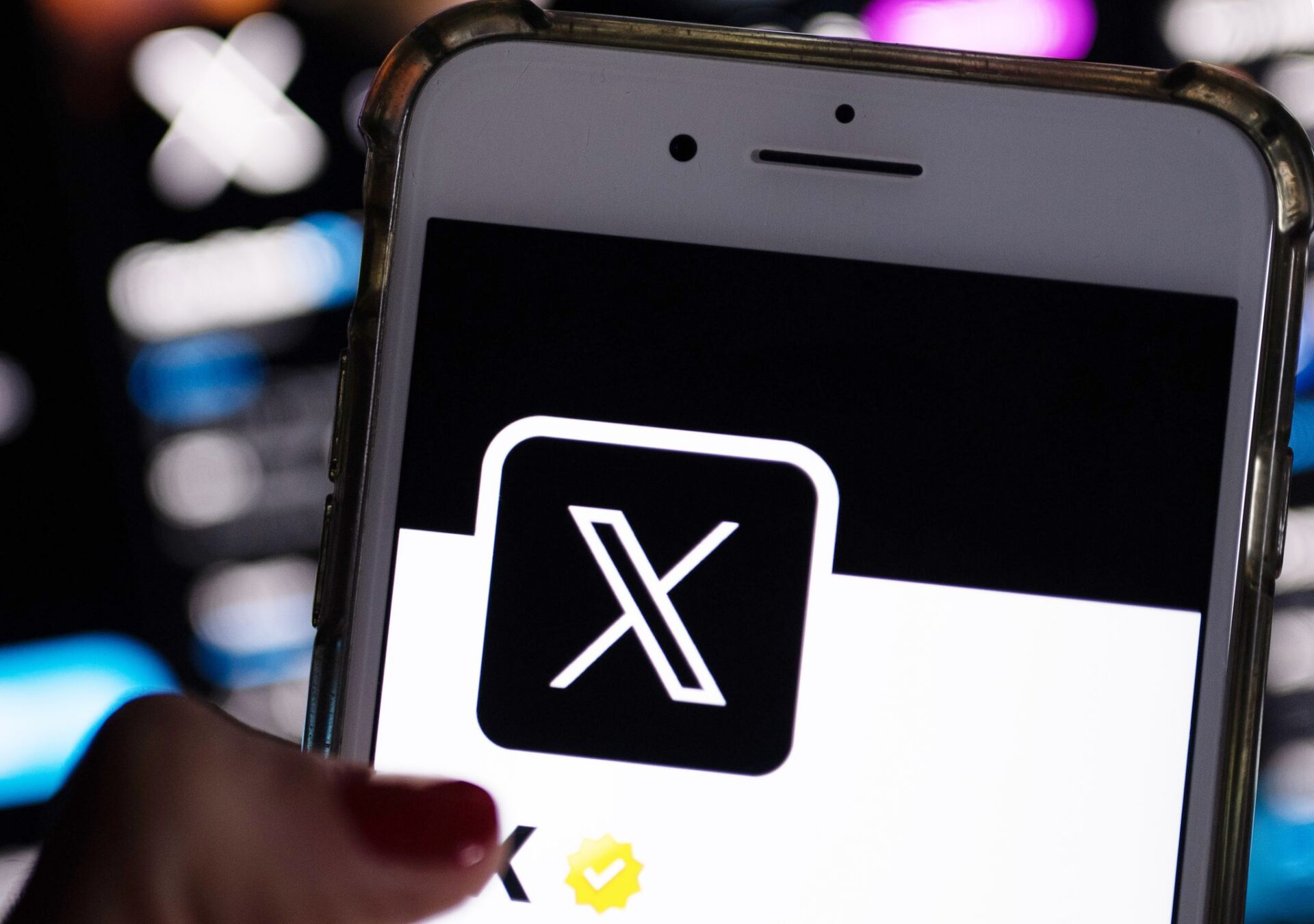
Brussels (ANSA) – After almost two years of investigation marked by pressure and setbacks, the EU has fined X 120 million euros for violating the Digital Services Act (DSA). These are the first penalties imposed under the landmark European legislation designed to put an end to the online Wild West, which obliges tech platforms to greater transparency and responsibility for the illegal and harmful content that floods the digital space.
More of a tap than a slap for Elon Musk’s giant, but still destined to heighten tensions with Washington. And indeed, the clash erupted even before the official announcement. The vice president of the United States JD. Vance criticized Brussels, guilty of wanting to fine X for “not having imposed censorship.” In the evening came the broadside from Secretary of State Marco Rubio, who branded the sanctions on X as “an attack on all American tech platforms and the American people by foreign governments. The days of online censorship of Americans,” he warned, “are over.”
“The fine on X concerns transparency, it has nothing to do with censorship,” replied the vice president of the Commission Henna Virkkunen. The accusation of wanting to target US big tech was also sent back to the sender: “our rules apply to everyone who operates in Europe,” stressed Virkkunen, who promised “new decisions in the coming months.”
On the merits, the Berlaymont building has imposed three penalties on Musk’s social network, one for each alleged violation. The first, of 45 million euros, is linked to the blue check used for verified accounts. For Brussels this is a deception, since anyone can pay to obtain it without the company carrying out any verification of who is behind the account. The second penalty, of 35 million euros, concerns the lack of transparency of the advertising archive, important for example to detect scams and hybrid threat campaigns.
The Commission finally challenged the violation of the obligation to guarantee researchers access to the platform’s public data, imposing a third penalty of 40 million euros. Still ongoing, however, is the investigation into the politically most sensitive aspect of the dossier, that of illegal content and the manipulation of information (December 5).