
 go to the original language article
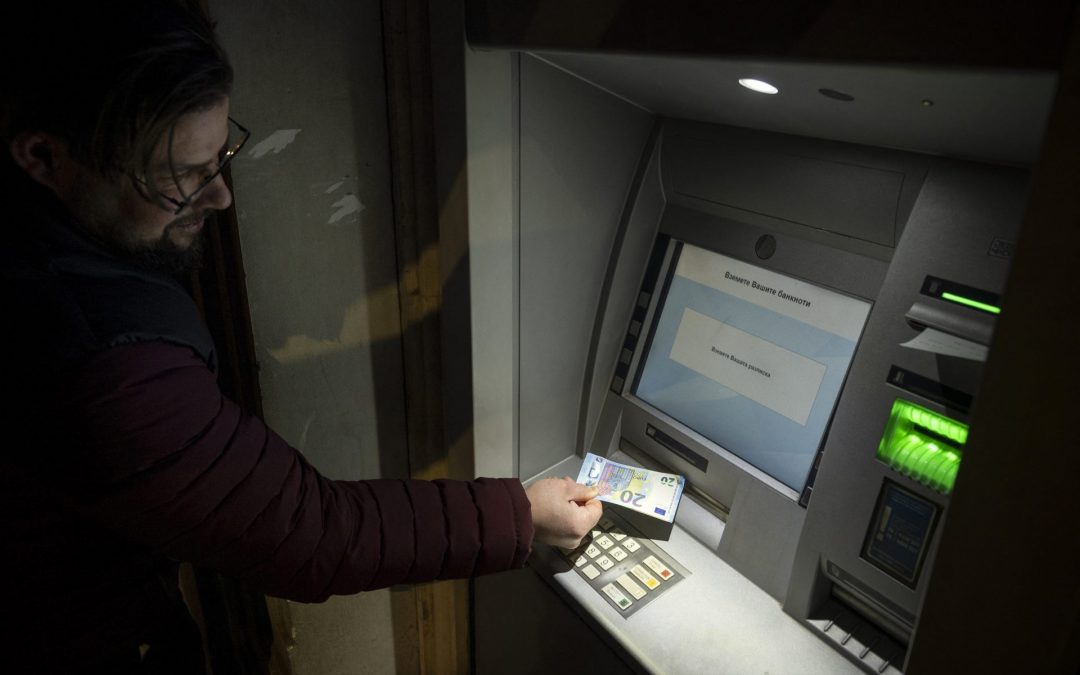
Sofia – Thousands of Bulgarians braved the sub-zero night temperatures to attend the traditional New Year’s Eve concert and the countdown marking the arrival of 2026 and of the euro.
At midnight, the Balkan country, which joined the EU in 2007, drew a line under the lev, its national currency, hoping to strengthen its economic ties with the other members of the eurozone, but also fearing a surge in prices in an unstable political context.
“Yippee, it works!”, exclaimed Dimitar, 43, after withdrawing 100 euros from an ATM less than half an hour after midnight.
In small shops open 24/7 on one of the main streets of the capital, shopkeepers were accepting euros without difficulty, an AFP journalist observed.
“The introduction of the euro is the final step in Bulgaria’s integration into the European Union,” President Roumen Radev said on television a few minutes before midnight, while regretting that Bulgarians had not been consulted by referendum on this choice that has divided the country. (January 1st, 2026)