
 go to the original language article
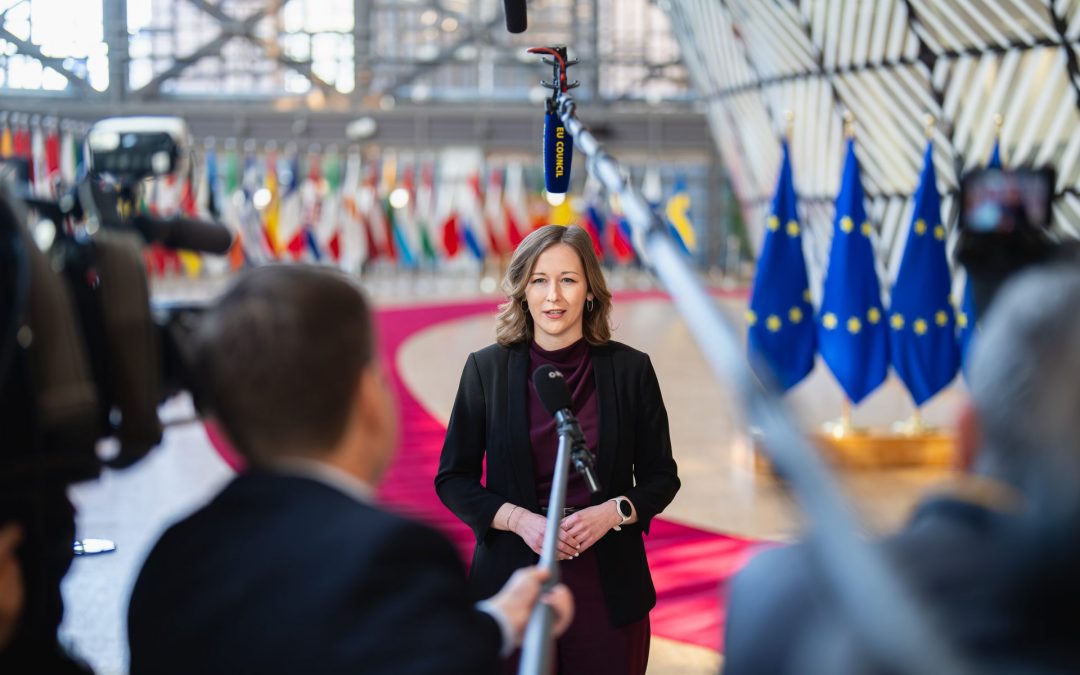
Brussels (APA) – Austria’s European Minister Claudia Plakolm clearly advocated on Monday for a reduction of the budget volume proposed by the Commission ahead of the Council of Ministers in Brussels. “In a phase where we have to tighten our belts nationally, the EU cannot present the largest budget in its history,” said the conservative politician – the EU’s multiannual financial framework from 2028 to 2034 is set to amount to around 2 trillion euros according to the current proposal.
According to the Commission’s proposal, Austria’s annual contribution to the EU budget could be over six billion euros, about 2.5 billion euros or 40 percent more than before. “That doesn’t work for us,” emphasized Plakolm upon her arrival at the Council building to Austrian journalists. One cannot decide on austerity budgets at home and simultaneously finance a record EU budget. According to the new approach, there would also be no more discounts for those countries that “contribute significantly.” It’s not about spending more, rather one must “spend better” in terms of clear prioritization.
“Ready for a fair contribution”
Even before the meeting, Plakolm had met with the European ministers of the eight countries that are net contributors to the EU budget. “We are ready to make a fair contribution,” Plakolm emphasized. At the same time, she also demanded solidarity and the continuation of the discount. Plakolm’s stance was reflected in the statements of her ministerial colleagues from other net contributor countries. Finnish European Minister Joakim Strand rejected a higher EU budget, stating that the framework is too high, even if the priorities are set correctly. Practically word for word, Swedish Jessica Rosencrantz expressed the same sentiment. She also called for “a better, not a higher budget.”
Urgent funding needs for Ukraine
Marie Bjerre, representing the Danish Council Presidency, spoke of an “urgent funding need” regarding Ukraine. Concerning the budget, she noted that Europe must become “much stronger.” The budget must address the challenges of defense, support for Ukraine, and improving competitiveness.
The meeting of the European ministers on Monday is fundamentally about the initial preparations for the EU summit on December 18. The Danish Council Presidency aims to present its first “negotiation box” on the budget by December, which will then be discussed at the summit. Budget negotiations traditionally last around two years. (17.11.2025)