EU heads into 2023 in crisis mode
Preoccupied by multiple crises, the EU has seen a restless year. Many of the calamities which shook the EU in 2022 will still be around in 2023.

Preoccupied by multiple crises, the EU has seen a restless year. Many of the calamities which shook the EU in 2022 will still be around in 2023.

The US Inflation Reduction Act (IRA) was passed in an effort to reduce greenhouse gas emissions, the public deficit and inflation. EU officials had initially welcomed this as a step in the right direction towards mitigating climate change. However, at the time they overlooked the protectionist aspects of the law.

Almost seven years after submitting a formal application for EU membership, Bosnia and Herzegovina finally received the unanimous support of 27 EU heads of state and government to join the bloc. But now the Western Balkan country of 3.3 million people must deliver reforms.
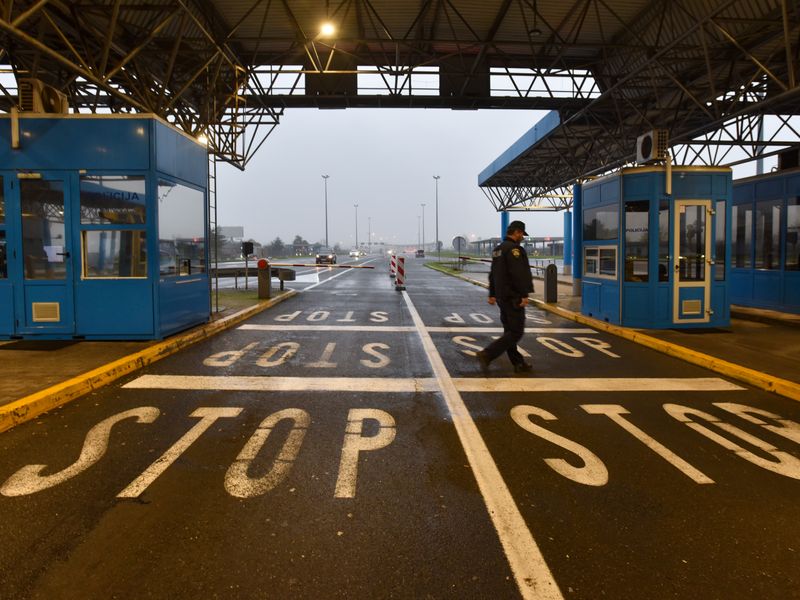
Every summer, tourists used to spend hours stuck in traffic jams on the border with Croatia. This will soon be a thing of the past. The Adriatic country is going to join the Schengen area without border controls as early as 2023. But for Bulgaria and Romania, the borderless dream has not come true yet.

In an unprecedented move, the EU Commission has proposed freezing the 65 percent of the EU cohesion funds for Hungary, namely 7.5 billion euro, over concerns about rule of law. On the other side, European Commission officials conditionally approved Budapest’s 5.8-billion-euro recovery plan. Now, it will up to the EU member states to decide on both issues that could come with high political stakes.

Amid the French-Italian controversy over migrants, Brussels wants to combat illegal migration in the Central Mediterranean with a new action plan. However, the greater challenge is bound to be what is probably the most active migratory route in Europe – the Western Balkans.