
 go to the original language article
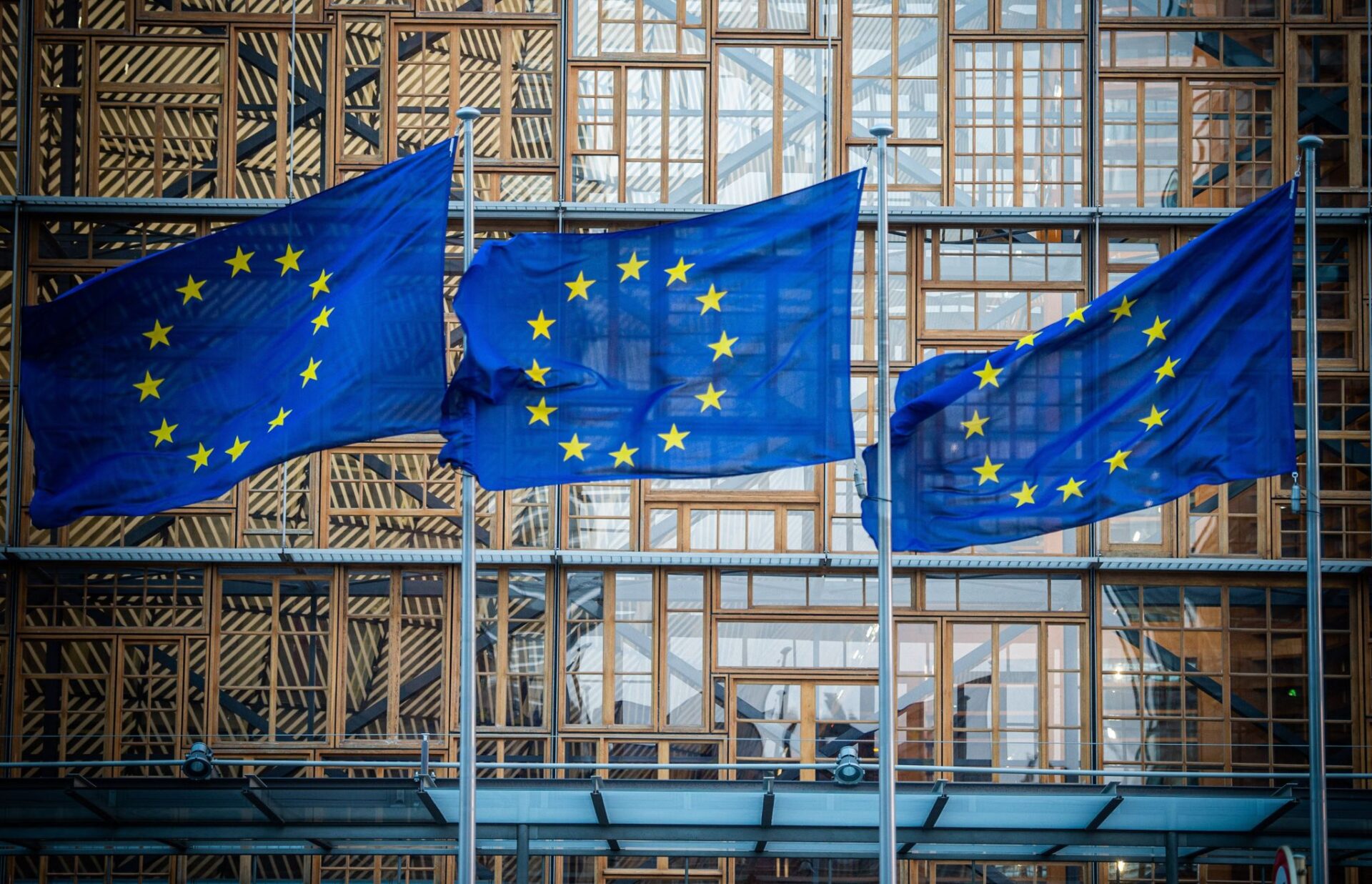
Brussels (ANSA) – The presidency of the Eurogroup, the coordination body of the finance ministers of the Eurozone, goes to Greece. For Athens, the appointment of Kyriakos Pierrakakis has the flavor of a historic comeback: the country that was the epicenter of the sovereign debt crisis and of the memoranda imposed by the Troika now finds itself at the helm of the body that at the time marked every phase of its recovery. A real reversal of roles.
All the more so because the Eurogroup defines the orientation of the budgetary policies of the countries of the euro area and the president also chairs, by right, the Board of Governors of the European Stability Mechanism (ESM), the former ‘bailout fund’ conceived precisely in the aftermath of the Greek crisis.
The election came at the end of a race that remained open until the last moment with the Belgian Vincent Van Peteghem, considered the favorite on the eve and perhaps penalized by Belgium’s resistance on the Reparations loan for Ukraine. What may have turned the tide was the announcement by the German minister Lars Klingbeil, who before the meeting declared his support for the Greek candidate.
With the numbers now clear, the withdrawal of the rival candidate to favor unanimity followed the Eurogroup’s informal practice. Pierrakakis’ appointment is a political step of strong symbolic value: Greece will lead the body that, fourteen years ago, was the nerve center of the tensions linked to the negotiations with the Commission, the ECB and the IMF.
Those were the years of ‘blood and tears’ plans, cuts, imposed reforms and debates that deeply marked Greek society. Today the picture has changed. Since 2018 Athens has been out of assistance programs, has regained the confidence of the markets, has brought back growth and investment and has reduced its debt faster than many European partners.
The turning point also came through the digitalization of the state, led precisely by Pierrakakis as minister of Innovation. The profile of the new president, 42 years old, from New Democracy, EPP, reflects this transformation: a computer scientist, with two master’s degrees between Harvard and MIT, involved in technical roles in the early negotiations with creditors, he returned to politics in 2019 with the goal of modernizing the state machinery.
His arrival at the head of the Eurogroup breaks a tradition that, from Juncker to Dijsselbloem, from Centeno to Donohoe, has always seen ministers from Northern or Western European countries in the presidency (11 December).