
 go to the original language article
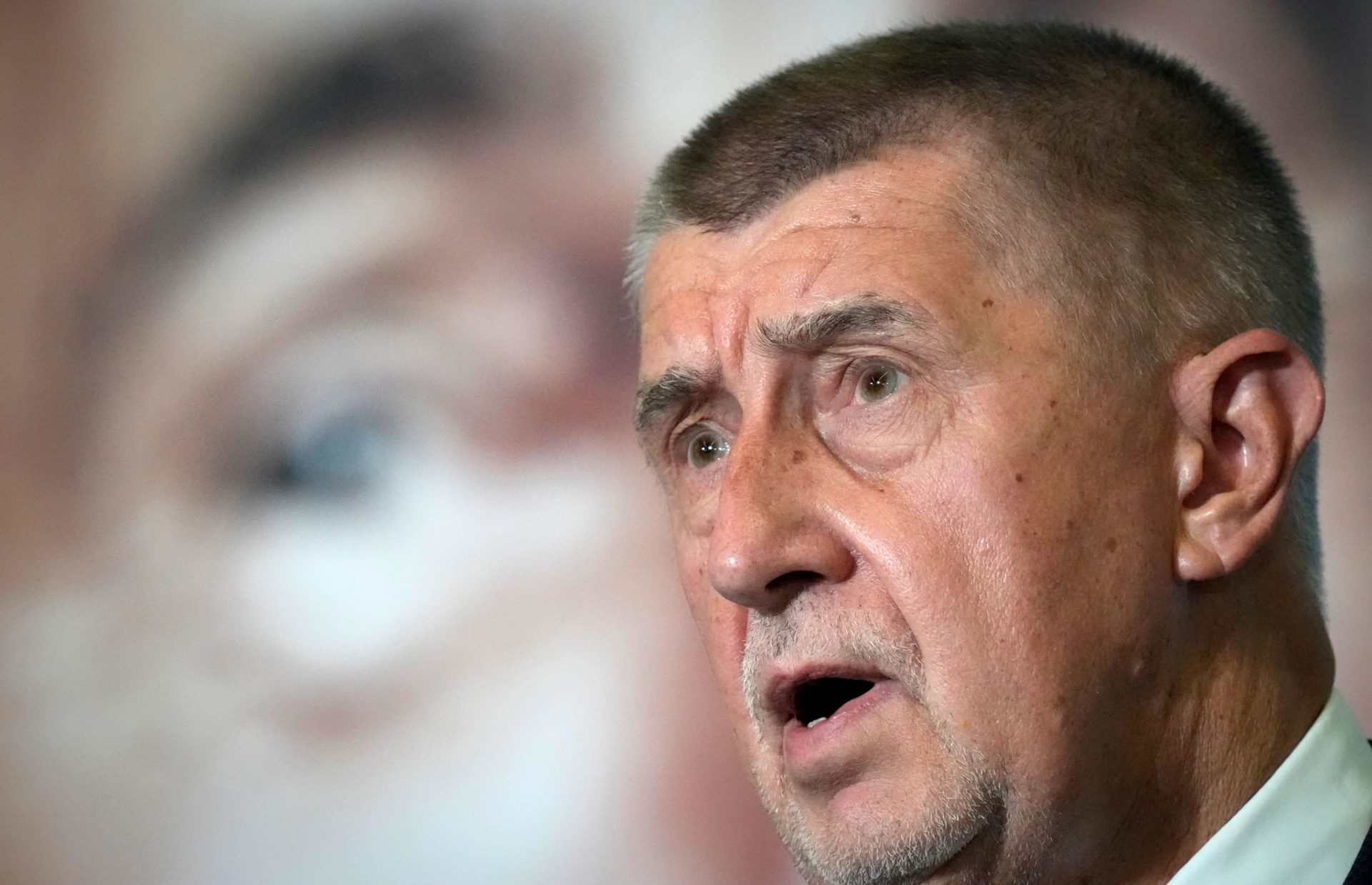
Prague – Postponing ETS 2 emission allowances by one year is far from sufficient, the new government will demand a complete withdrawal from the system, designated prime minister Andrej Babiš (ANO) said today to ČTK in reaction to the preliminary agreement on the adjustment of EU climate rules. By contrast, representatives of the outgoing caretaker government see it as a success. Representatives of the domestic heating industry describe the EU’s climate targets as unrealistic and say they will lead to a weakening of industry and people’s standard of living. Analysts, meanwhile, see the EU agreement as more of a cosmetic adjustment, which in their view will not prevent energy price increases. Environmentalists, on the other hand, praise the fact that the approved climate targets continue in the established direction of decarbonization.
The Presidency of the Council of the EU and representatives of the European Parliament reached a preliminary agreement on Tuesday on the adjustment of EU climate rules. A target to reduce greenhouse gas emissions by 90 percent by 2040 compared to 1990 levels will be part of it. Representatives of both institutions also agreed to postpone the introduction of ETS 2 emission allowances by one year, from 2027 to 2028. The changes must still be formally approved by the European Parliament and EU member states.
“As the new government, we will adopt a resolution in which we will demand a complete withdrawal from allowances in ETS 2, which would make petrol and heating more expensive for us. We have prepared the relevant amendments. We will want to move natural gas and nuclear in the taxonomy, abolish unnecessary reporting obligations, etc.,” Babiš said. According to the likely future minister of industry and trade Karel Havlíček (ANO), this is confirmation that the EU does not understand the scale of the problem of contemporary Europe.
The Heating Association of the Czech Republic sees the EU’s emissions reduction target as unrealistic. According to it, this will lead to massive deindustrialization of the EU and a decline in the standard of living of the population. The Czech Republic will moreover be more affected as an industrial country, the association stated. Economists also assessed the agreement on climate targets in a mixed way. According to XTB analyst Jiří Tyleček, the postponement of the system is more of a cosmetic adjustment than a fundamental concession compared to the original plan. Existing analyses, he said, show that the overall impact on household wallets does not change significantly as a result. Lukáš Kaňok from Kalkulátor.cz pointed out that at least a positive aspect may be more time for households and the state to prepare. However, he emphasized the need for rapid steps.
Environmentalists welcomed the agreement as maintaining the existing trend in the process of decarbonizing Europe. At the same time, they stressed that the Czech Republic must now use the extended time for preparation. “It is necessary to speed up assistance with insulating houses and make it accessible to tenants as well, and likewise to improve access to efficient public transport. We therefore warn against ideas to abolish or limit programs such as New Green Savings or boiler subsidies. That would fundamentally harm households, especially in rural areas,” noted the head of the energy program of Hnutí Duha Jiří Koželouh.
The new government of the ANO, SPD and Motorists Themselves coalition should then, in his view, stop promising that it will abolish the system, because in his opinion this damages the Czech Republic’s reputation in Europe. “And above all, it will endanger the inhabitants of the Czech Republic, who could lose assistance from the Social Climate Fund, which is supposed to be financed precisely from the pricing of fossil fuels in local heating and transport,” Koželouh added. (10 December)